
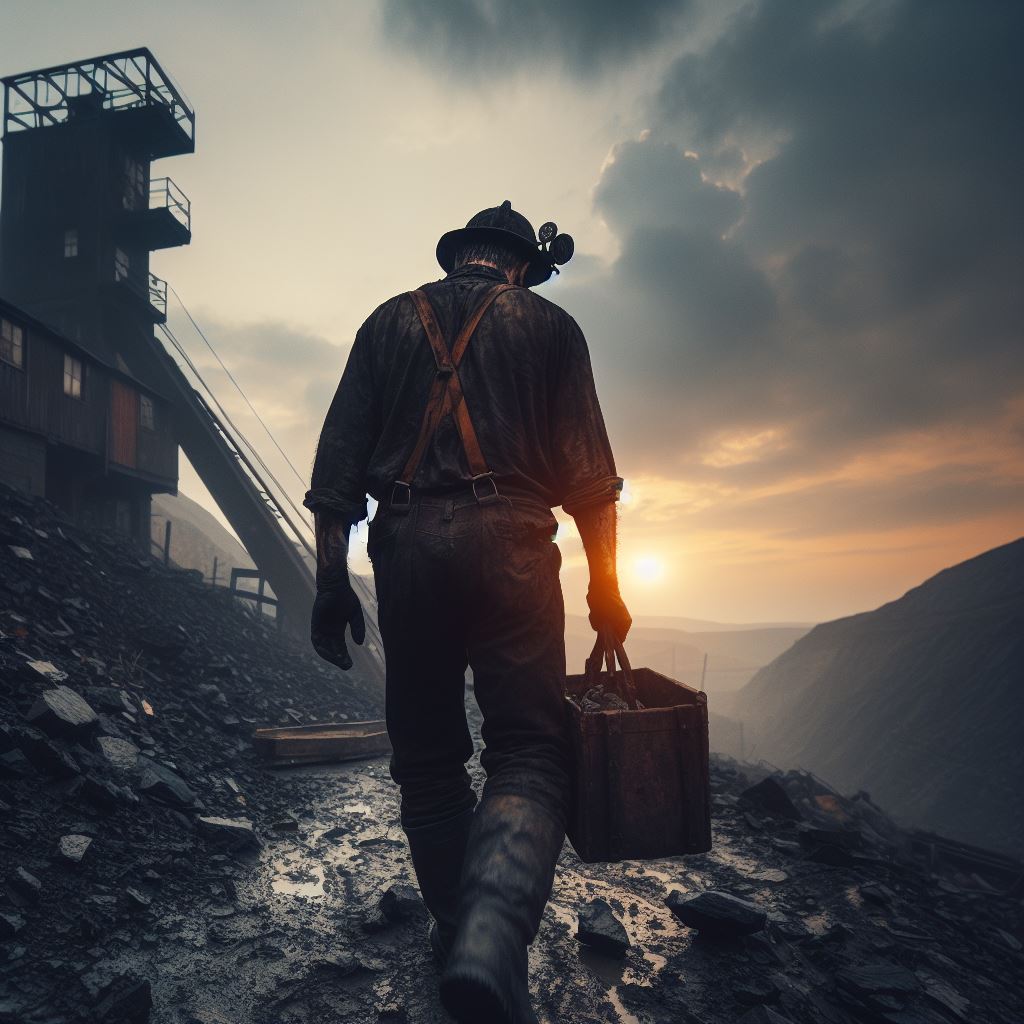
Let’s take a moment to consider the history of Rio Tinto Coal in Australia. Rio Tinto, a global mining and metals company, has a storied history in the Australian coal mining sector. At IPO Society we write about upcoming and recent IPOs and new listings, but sometimes it is worthwhile to think about what sort of companies new listings can become!
Over the years, Rio Tinto has navigated through challenges, celebrated successes, and eventually embarked on a strategic journey that led to its divestment from the coal mining industry.
Historical Overview: Rio Tinto’s Coal Legacy in Australia
Early Ventures (Late 20th Century – Early 21st Century)
Rio Tinto’s engagement in coal mining in Australia dates back to the late 20th century. The company initially established a presence through various acquisitions and developments. Notable among these was the acquisition of the Blair Athol coal mine in Queensland in 1999, marking Rio Tinto’s commitment to Australia’s coal resources.
Expansion and Diversification
As the demand for coal surged globally, Rio Tinto expanded its footprint. The acquisition of Riversdale Mining in 2011 provided the company with access to significant coal assets in the Bowen Basin. The expansion continued with projects like the Mount Thorley Warkworth mine in New South Wales.
Challenges and Market Shifts
The coal industry, however, faced mounting challenges. Environmental concerns, changing global energy dynamics, and the growing emphasis on renewable energy sources prompted a reassessment of coal’s role in Rio Tinto’s portfolio.
Significant Rio Tinto Coal Assets in Australia (Table)
| Asset | Location | Type of Coal | Acquisition Year |
|---|---|---|---|
| Blair Athol | Queensland | Thermal | 1999 |
| Mount Thorley Warkworth | New South Wales | Thermal | – |
| Hail Creek | Queensland | Metallurgical | – |
| Kestrel | Queensland | Metallurgical | 2018 |
| Bengalla | New South Wales | Thermal | – |
| Clermont | Queensland | Thermal | – |
Strategic Transition: The Divestment from Coal
Environmental and Market Dynamics
The global focus on reducing carbon emissions and transitioning to sustainable energy became a pivotal factor in Rio Tinto’s strategic decision-making. Coal, traditionally a cornerstone of energy production, faced increasing scrutiny due to its environmental impact.
Portfolio Optimization
Rio Tinto, recognizing the changing landscape, initiated a strategic shift towards a more sustainable and environmentally conscious portfolio. The company outlined its commitment to being a responsible miner and contributor to a low-carbon future.
Divestment Decision
In 2018, Rio Tinto announced its decision to divest from its coal assets. The sale of Hail Creek and Valeria (a undeveloped coal project) in Queensland, as well as its interests in the Winchester South project, marked a significant step in reshaping its portfolio.
Focus on Core Strengths
The divestment aligns with Rio Tinto’s strategy to concentrate on core commodities such as iron ore, aluminum, and copper. By streamlining its focus, Rio Tinto aims to enhance operational efficiency and contribute to the global shift towards sustainable mining practices.
Legacy and Ongoing Commitments
While divesting from coal, Rio Tinto remains committed to fulfilling its obligations to communities, employees, and the environment associated with its former coal operations. The company continues to work on progressive rehabilitation and community support programs.
A Sustainable Future for Rio Tinto
Rio Tinto’s history in Australia’s coal sector reflects its adaptability to changing market dynamics. The strategic decision to divest from coal underscores the company’s commitment to sustainability and aligning its operations with a low-carbon future. As Rio Tinto focuses on its core strengths, the legacy of its coal operations contributes to a broader narrative of responsible resource management and a commitment to shaping a sustainable mining industry.
Now, take a look at the upcoming floats and think about what they could become: the next Rio Tinto Coal Australia!